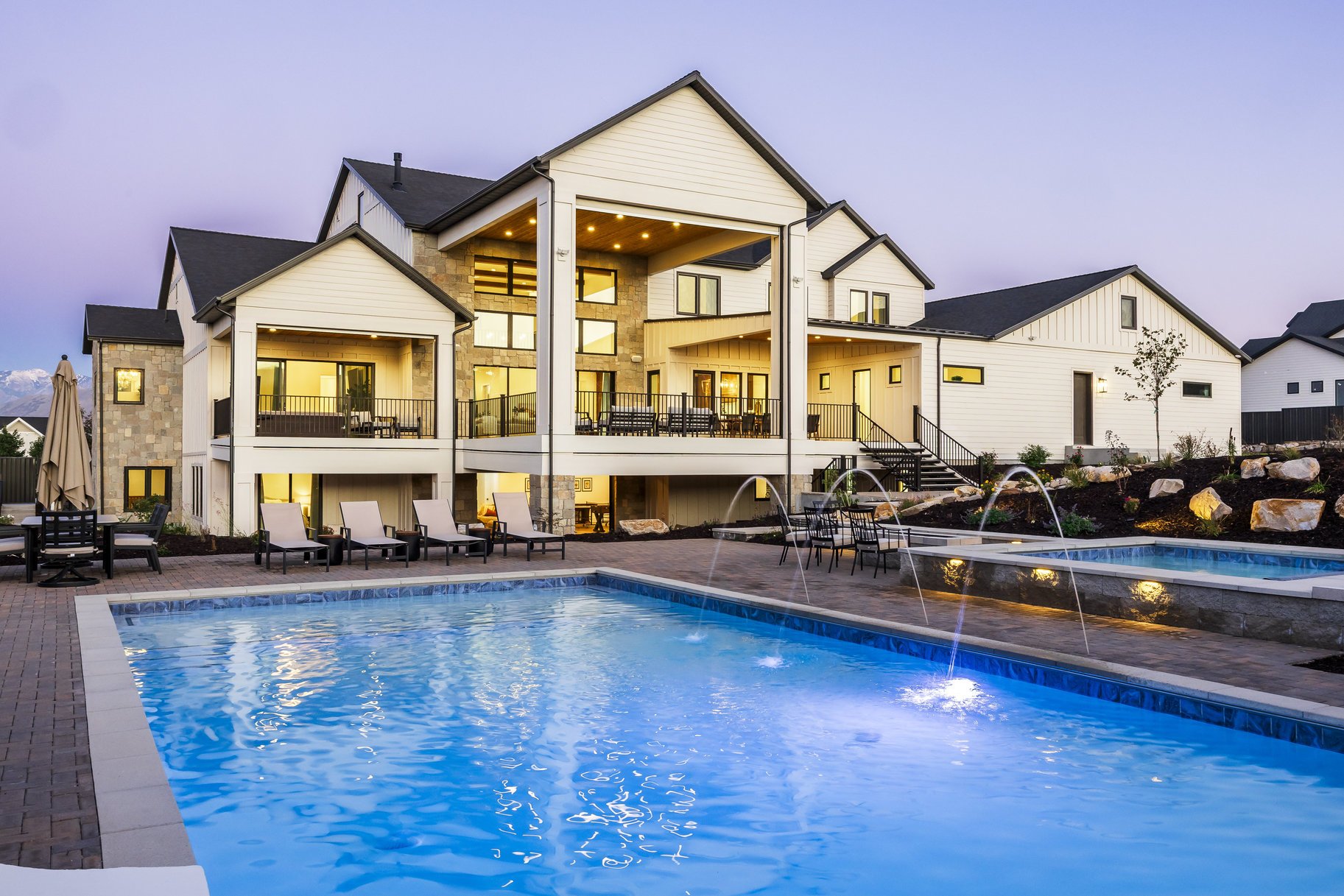
Project One
Highlights
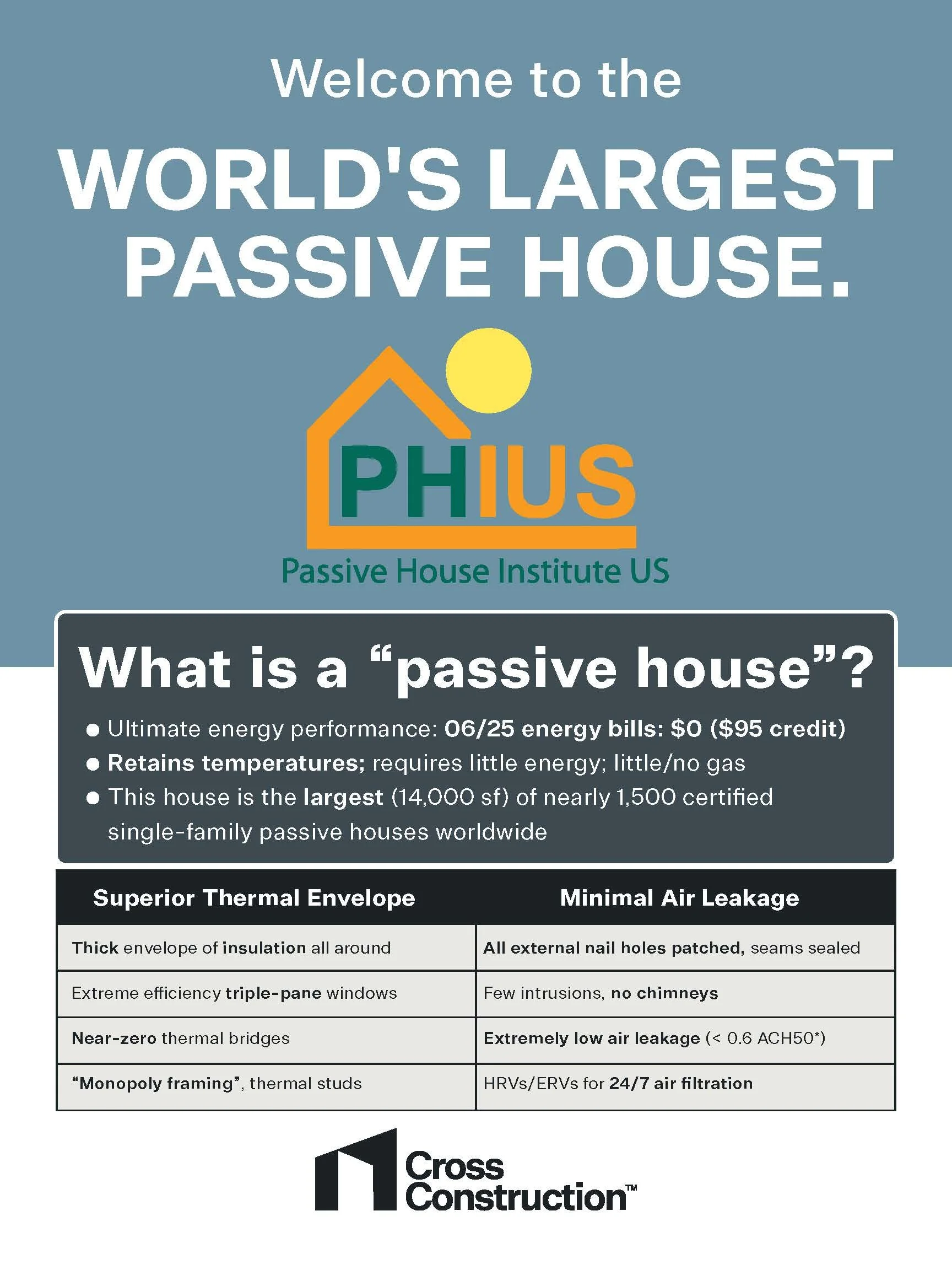



Maximum Thermal Efficiency
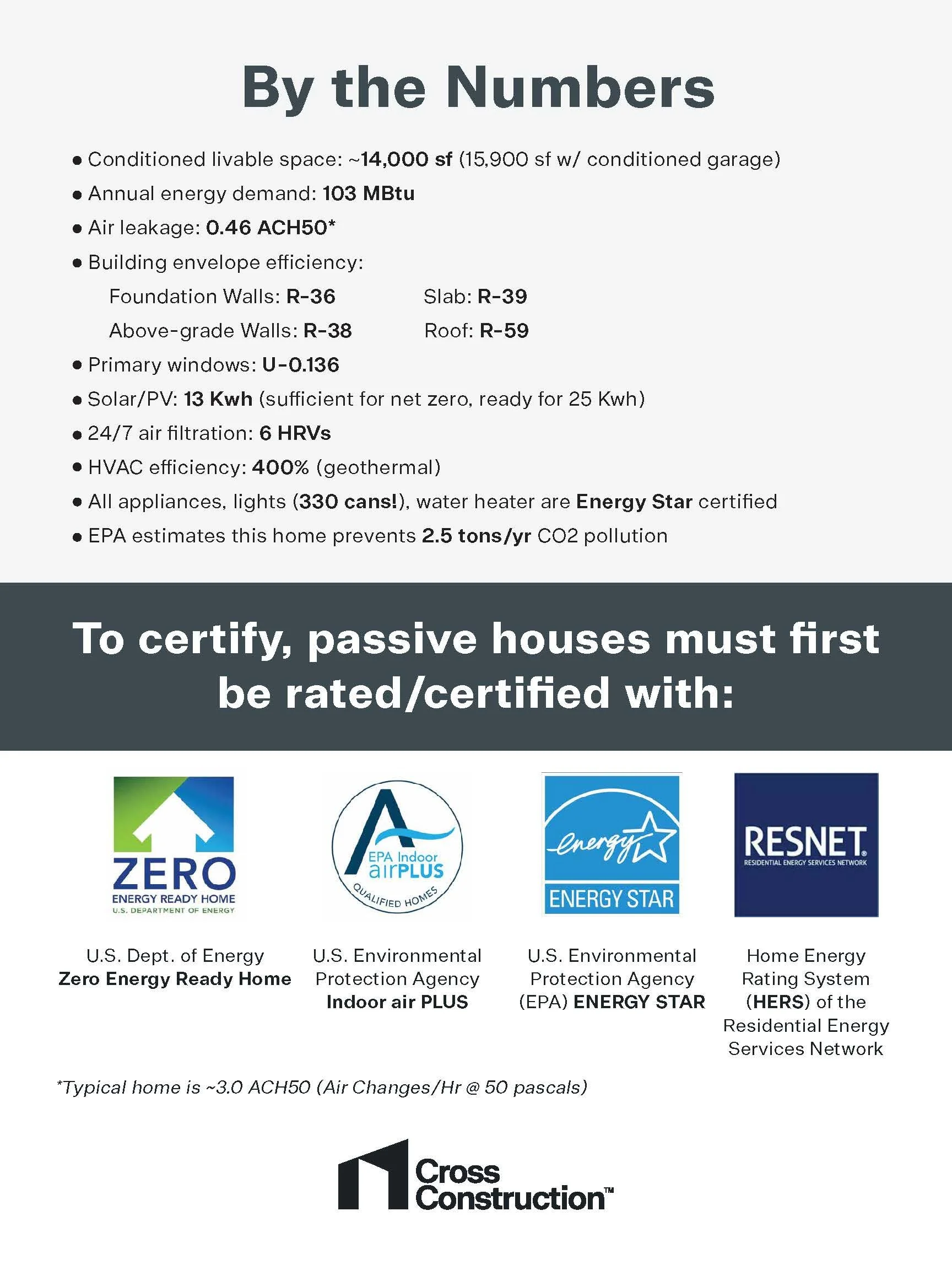
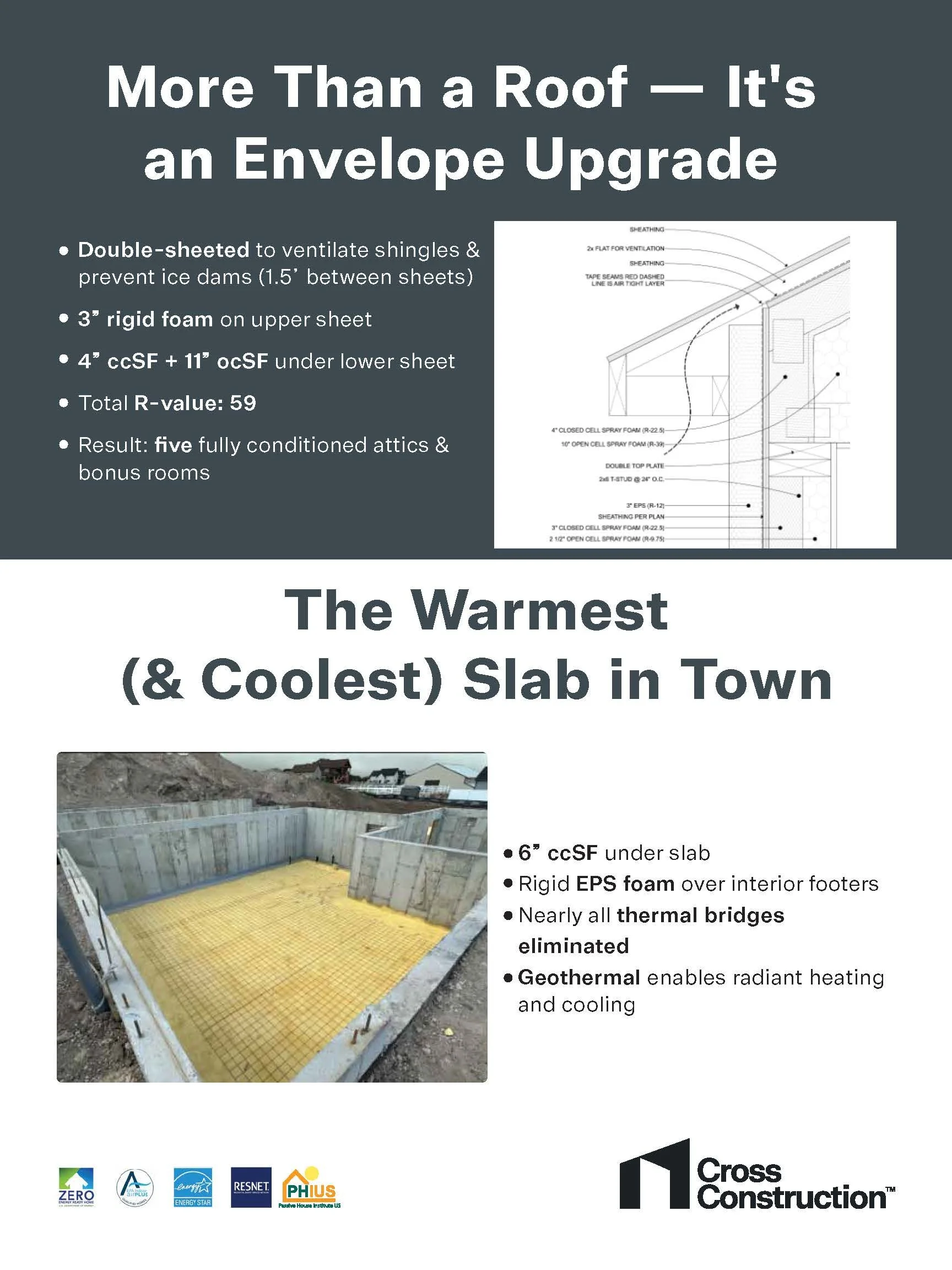
Project One’s envelope is engineered for maximum thermal efficiency. The roof achieves R-60 insulation, below-grade walls reach R-32, and Alpen triple-pane windows offer U-values as low as 0.14. These components work together to minimize energy loss and maintain comfort year-round.
Solar + Geothermal Synergy
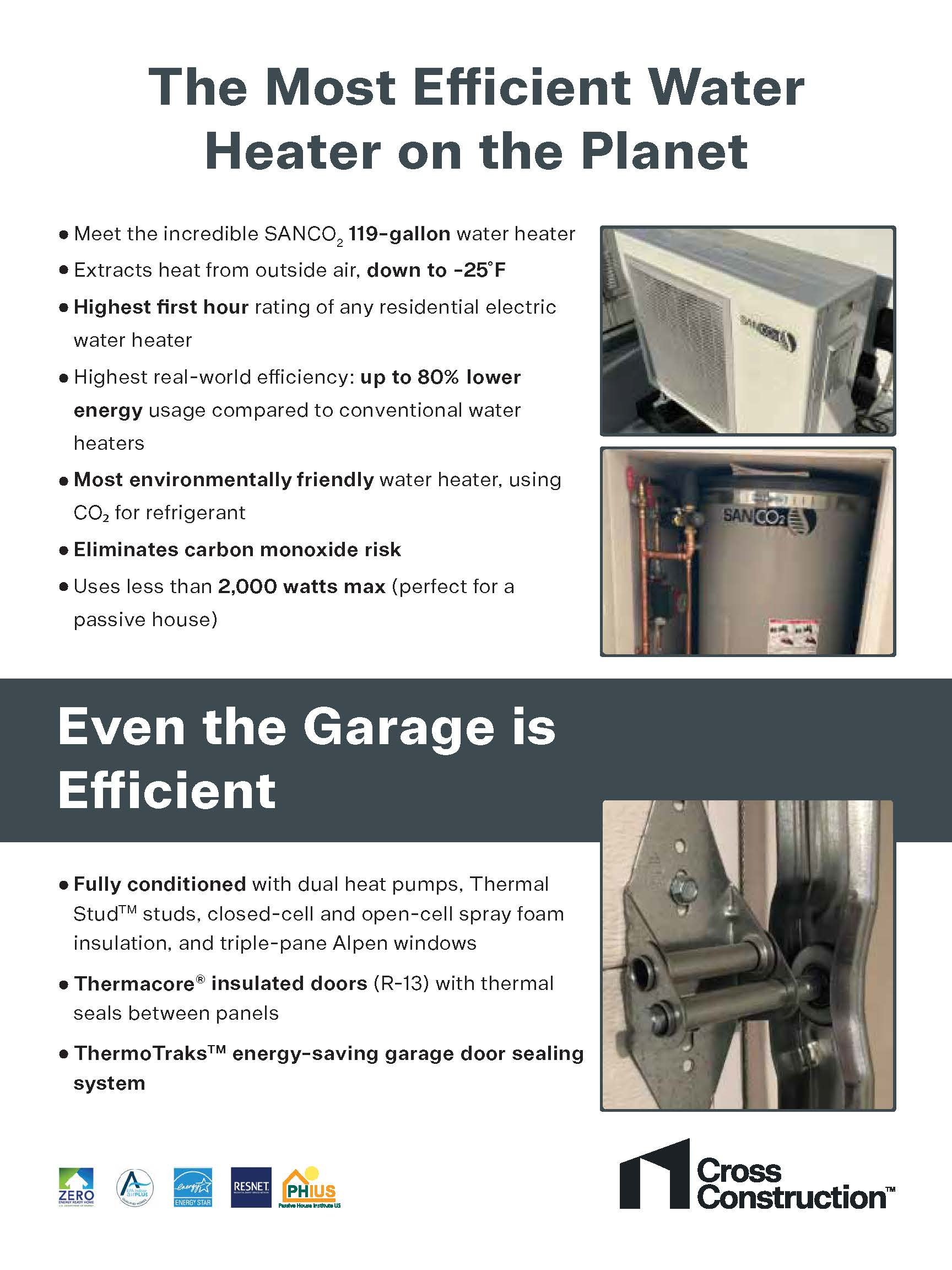
A 25 kW solar PV system offsets the home’s low energy use intensity (EUI) of 6.35 kBTU/ft²·yr, generating nearly 20,000 kWh/year. Combined with a geothermal heating and cooling system and a CO₂-based heat pump water heater, the home is electrification-ready and net-zero capable.
Project One sets a new benchmark for Passive House construction in North America. It demonstrates that ultra-efficiency can be achieved at scale, even in luxury homes. With its PHIUS certification, the home not only meets rigorous energy standards but also delivers long-term resilience, comfort, and environmental stewardship.
Building to PHIUS standards is no small feat, or as Alex Cross of Cross Construction put it, “very hard.” As of October 2025, almost 600 single-family homes in the U.S. have earned PHIUS certification. Globally, just over 3,000 single-family certified Passive Homes exist. In the U.S. alone, 1.5+ million homes are built annually, putting Passive House certified homes in the 0.01 percentile.
Cross and his team built this luxury net-zero ready, PHIUS-certified home in Utah above and beyond what was required by IRC and IECC codes. In fact, to some, it’s bigger than necessary. Most certified homes in Europe are modest in size, and until October 2023, the largest certified PHIUS single-family certified home in America measured just over 7,500 ft²—half the size of Project One. When asked how he knows that this home is the largest single-family, Passive House in the world, Cross explained,
“The criteria for Passive House certification is the same whether you're in Europe or the United States. We found that most homes in Europe are pretty small, and the second largest in the U.S. is just under 8,000 square feet. So we thought, ‘Oh, we built the world’s largest single-family Passive House.’ Pretty cool.”
Like Alex said, building to and certifying to PHIUS standards are “very hard.” Some of the key targets include annual heating and cooling demand, peak heating and cooling demand, and differences between the type of PHIUS certification. PHIUS CORE 2021, for example, requires no more energy allowance than 5375 kWh/person.yr. According to the U.S. Energy Information Administration (EIA), in 2023, the average U.S. residential customer averaged 861 kWh per month—or 10,332 kWh annually. This means, year-over-year, Project One uses less than half of the energy a single U.S. resident will.
Despite the challenges, the benefits of Passive House construction far outweigh the difficulties. These homes can be up to 85% more efficient than conventional builds. As Cross Construction’s website states, “PHIUS homes are the most luxurious, energy efficient, safe and resilient single-family dwellings on the planet.”
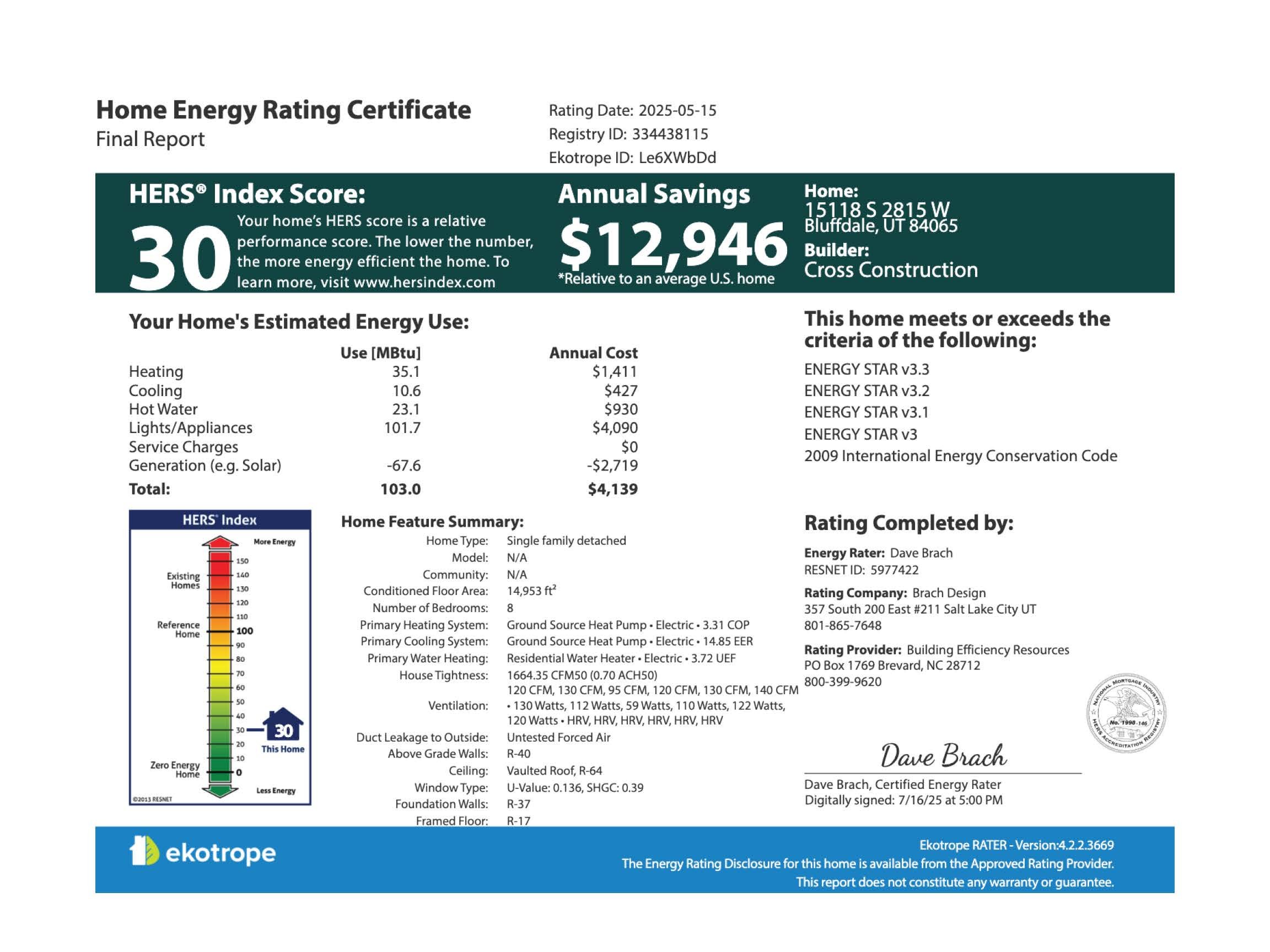
When measured to the HERS Index, Project One achieved a Home Energy Rating System (HERS) score of 30 (with renewables). A score of 100 would’ve made it as efficient as a standard new home in 2006, HERS 85 is an ENERGY STAR-certified home, and Cross Construction achieved a HERS score of 50 before renewables; placing it among the most energy-efficient homes in the country and supporting its PHIUS certification and net-zero readiness. This performance is the result of a tightly integrated system of high-performance components working together to create an efficient, airtight building envelope.
Advanced insulation forms the backbone of this envelope: the roof is insulated to R-60, and the below-grade walls reach R-32. Triple-pane Alpen windows, with U-values between 0.14–0.16 and SHGC ratings of 0.19–0.21, minimize thermal bridging while optimizing solar control. A geothermal heating and cooling system aligns with Passive House principles by reducing energy use and maintaining thermal comfort.
The 25 kW solar PV array offsets the home’s already low energy use intensity (EUI) of 6.35 kBTU/ft²·yr, generating approximately 19,755 kWh/year; enough to power all electric loads, including HVAC, lighting, appliances, and ventilation. Domestic hot water is handled by a Sanden 119-gallon CO₂-based heat pump water heater, offering high efficiency with minimal environmental impact.
Ventilation is managed by six Fantech HERO 250H-EC Heat Recovery Ventilators (HRVs), which provide balanced, whole-house airflow without compromising the airtight envelope. These high-efficiency appliances are strategically placed to ensure balanced ventilation and thermal energy recovery. Their compact design and powerful performance make them ideal for maintaining comfort and air quality in a large, tightly sealed structure. The heat recovery system complements the geothermal ground loops, further reducing heating and cooling loads by transferring heat between incoming and outgoing air.
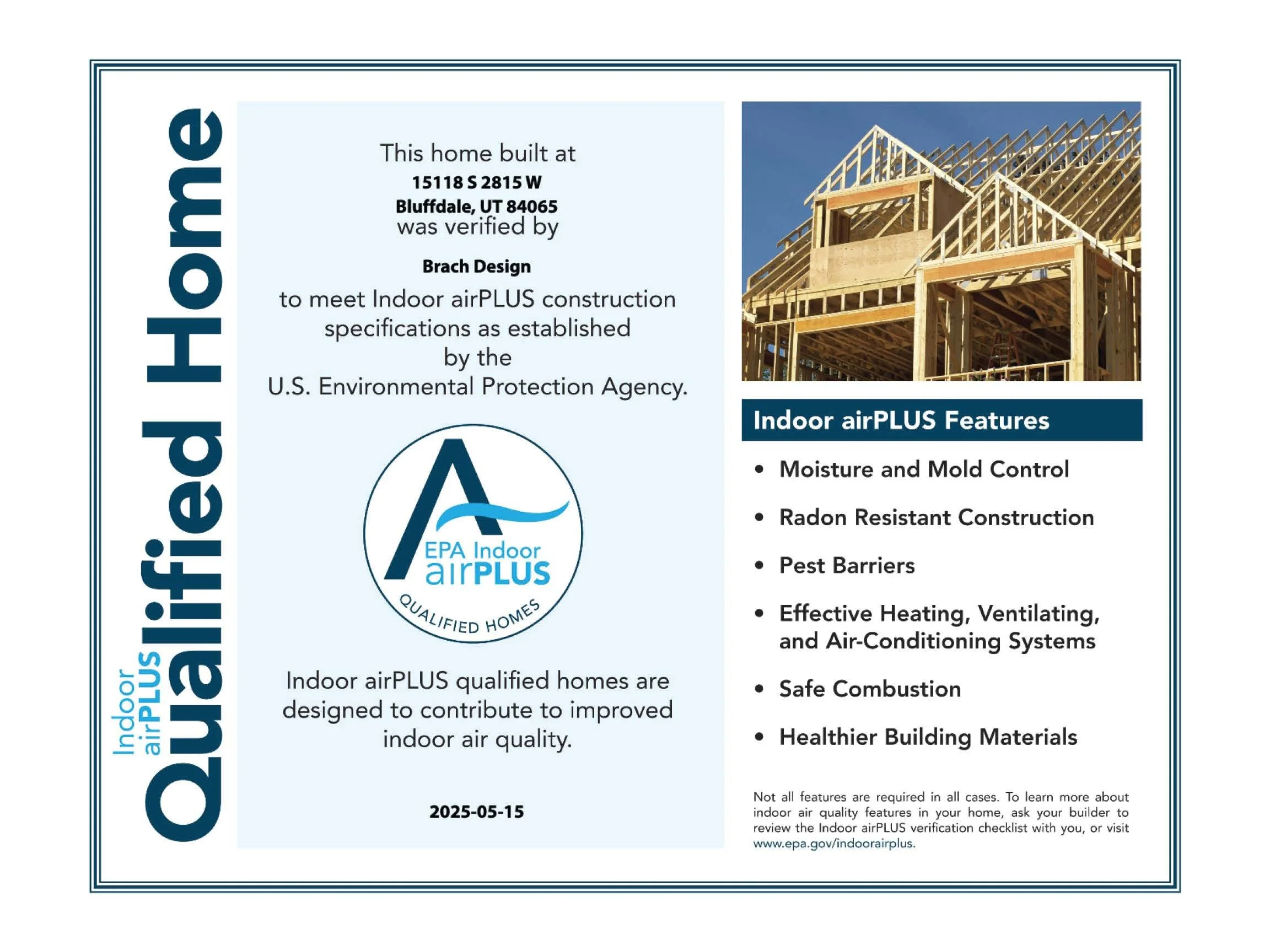
To enhance indoor air quality, especially during Utah’s winter inversions, the team incorporated high-grade air filtration. These inversions trap pollution in the Salt Lake Valley, often pushing air quality into the red tier—classified as “unhealthy” by AirNow. MERV 13 filtration, combined with HRV-based ventilation, helps protect occupants during these events.
To enhance indoor air quality, especially during Utah’s winter inversions, the team incorporated high-grade air filtration. These inversions trap pollution in the Salt Lake Valley, often pushing air quality into the red tier—classified as “unhealthy” by AirNow. MERV 13 filtration, combined with HRV-based ventilation, helps protect occupants during these events.
Alex Cross explained:
“Utah doesn’t have the best air. Pollution is a part of modern life, and at certain points of the year in Salt Lake, the air quality gets really bad. During inversion, smog sits over the valley. So we always push our clients to bring in air through an HRV system with filtration.”
Learn more at www.buildwithcross.com/project-one